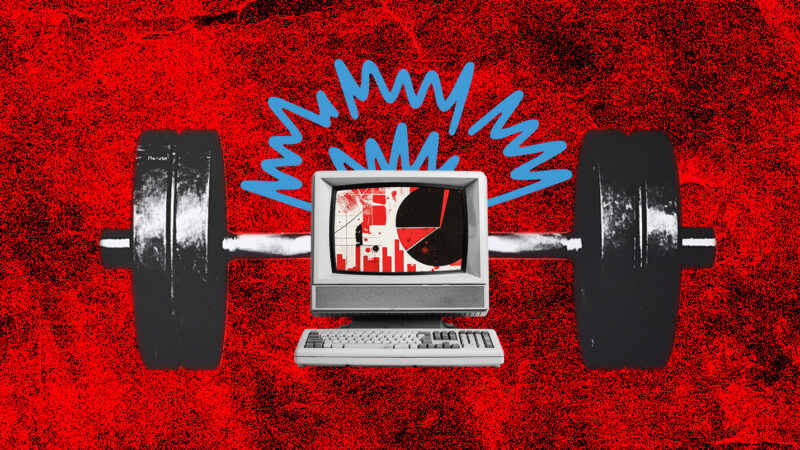
Could the media you choose be more important than your message?
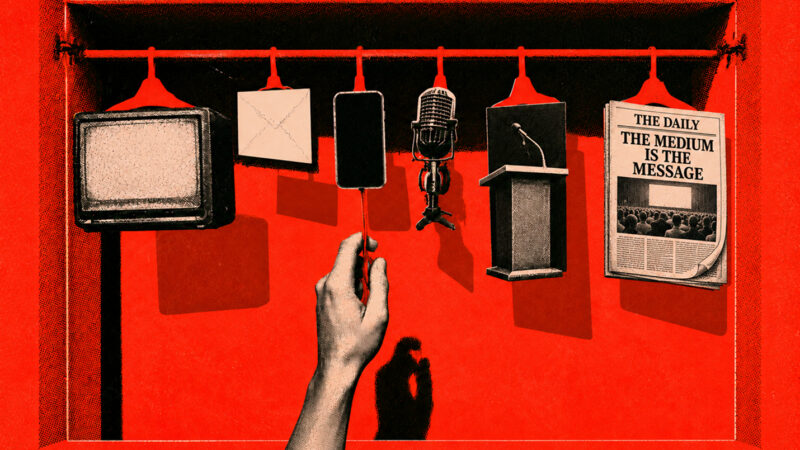
Maybe they had it right in the 60s. I don’t just mean the free love, drugs and cool music; they seemed pretty savvy about how media worked back then too. Communications guru Marshall McLuhan’s 1964 phrase “the medium is the message” is perhaps the most famous of its kind from this era, and has proved to be prescient whichever subsequent decade we’re living in.
McLuhan’s observation was that the medium of a message – in 60s parlance whether it was delivered in print or on television – influenced how the message was perceived, and even that the medium may be a greater influence on the audience than the contents of the message itself.
As a media theorist, it’s no surprise that his idea took root in adland, but if anything, it’s grown in importance as technology has subjected us to an ever-increasing range of media. So whilst it might be rooted in the 60s, there’s no harm in taking a little inspiration for the present – just ask Oasis.
What’s all this got to do with B2B marketing?
Costly signalling
This is a theory that’s done the rounds for decades and ties directly back to McLuhan’s thinking. How you choose to show up to an audience communicates something important about you, irrespective of the message it contains. This has important connotations for brands, as it can directly influence how the audience perceives them, whether the creative contained therein is Cannes Lions worthy or not.
There’s plenty of academic thinking on this, as well as being covered in Rory Sutherland’s book Alchemy where he gives a couple of practical examples. One relates to a campaign for Microsoft where the brief to “send a letter” to IT professionals about trialling new server software was ignored in favour of sending an elaborate gift in “gratuitously expensive packaging”. This shift in signalling from a humble letter proved key in getting people’s attention and returned impressive trial rates of the new product.
McLuhan’s shadow also looms over emerging thinking on how the quality of attention varies between media, and how this can impact their effectiveness. We wrote more about that recently here; in short, if you want full bang for your buck, make sure you’re considering to what degree your audience pays attention to a given media channel, as reach alone does not go far enough in explaining differences in efficacy between them.
Don’t mention trust
At its root, much of B2B marketing is about communicating credibility or trustworthiness in the most engaging way possible. The paradox here is that you can’t really say outright you’re credible or trustworthy as you’ll instantly – and quite reasonably – be suspected of being the polar opposite.
But you can denote it in other ways, including your choice of media. This doesn’t just mean the size of an exhibition stand or the quality of your website, it extends to your choice of channels. For example, electing to speak at events or other thought leadership activity denotes you’re happy to put your neck on the line, such is your confidence in your expertise.
This demonstrates how careful choice of medium goes beyond questions of value to reinforce whether your brand is to be relied upon for its expertise. That can be a critical difference in many B2B markets where true product differentiation is so hard to come by.
Physician, heal thyself
Finally, there’s a lesson close to home here too.
As marketers we must choose the medium through which we report and are held accountable for our work. Tending to detailed dashboards with a multitude of trackable metrics is a medium that communicates diligence and care.
But if we’re not careful, the medium overrides the message in a way that’s counterproductive. We start to focus on what can most readily be controlled through the dashboard, which leads to bottom-of-the-funnel performance metrics, and away from no less important activity that’s less easy to track. Ironically, that’s often the kind of stuff like costly signalling that McLuhan’s theory helped to develop.

A newsletter actually worth reading
We dislike spam as much as you do. So we promise to only grace your inbox when we’ve got something valuable to say.